JIMI HENDRIX IN HD3D “THE RED HOUSE PROJECT”
“I want audio that goes up and across and down…”
“We thought why not think big – Beatles, Hendrix, Pink Floyd…”

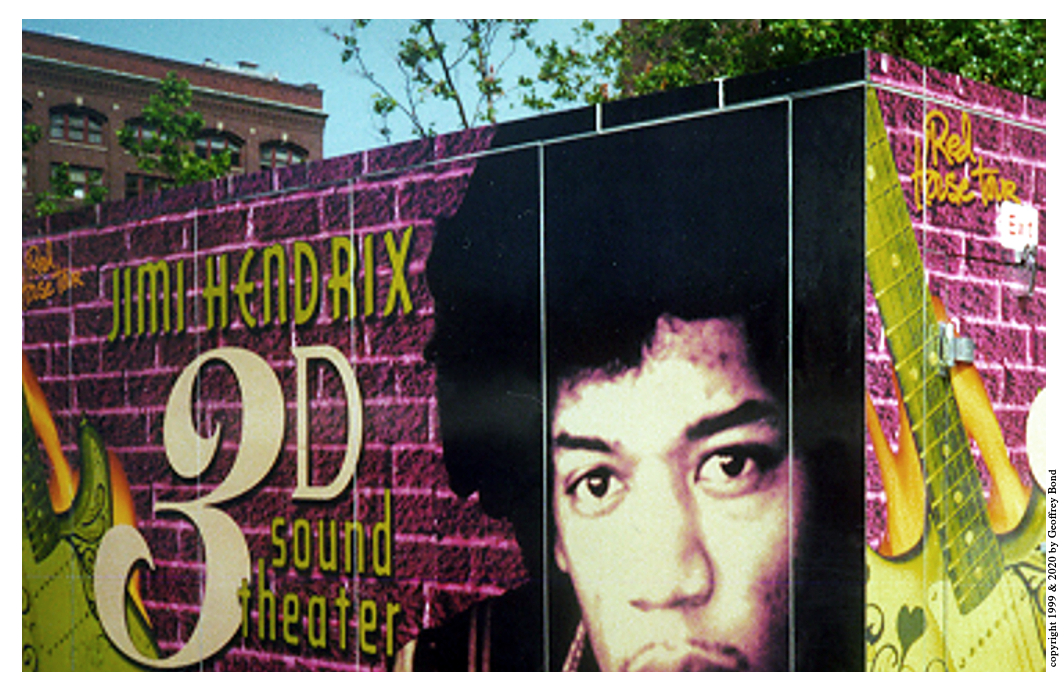
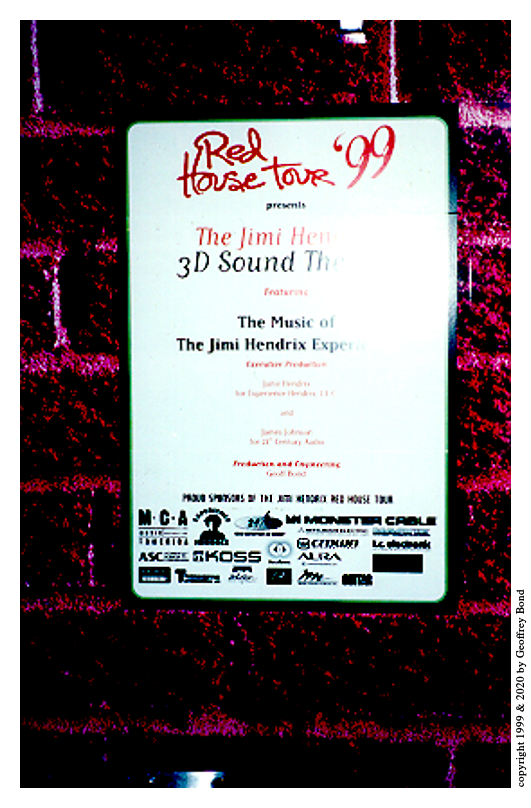
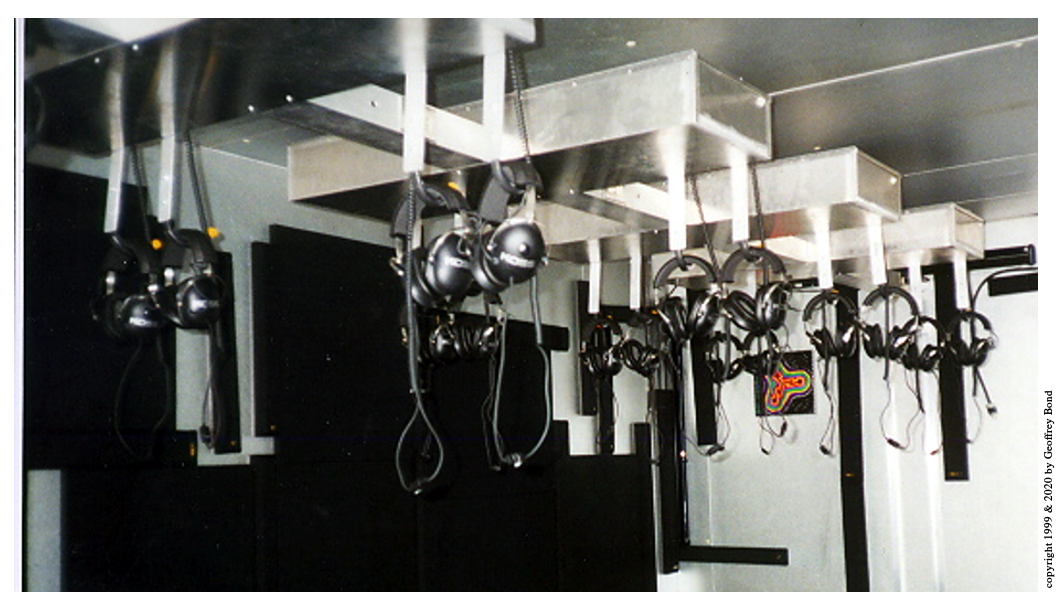
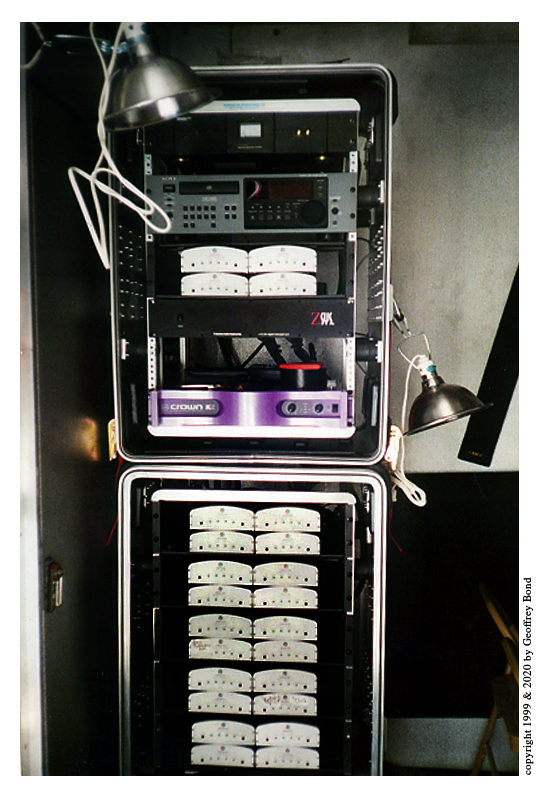
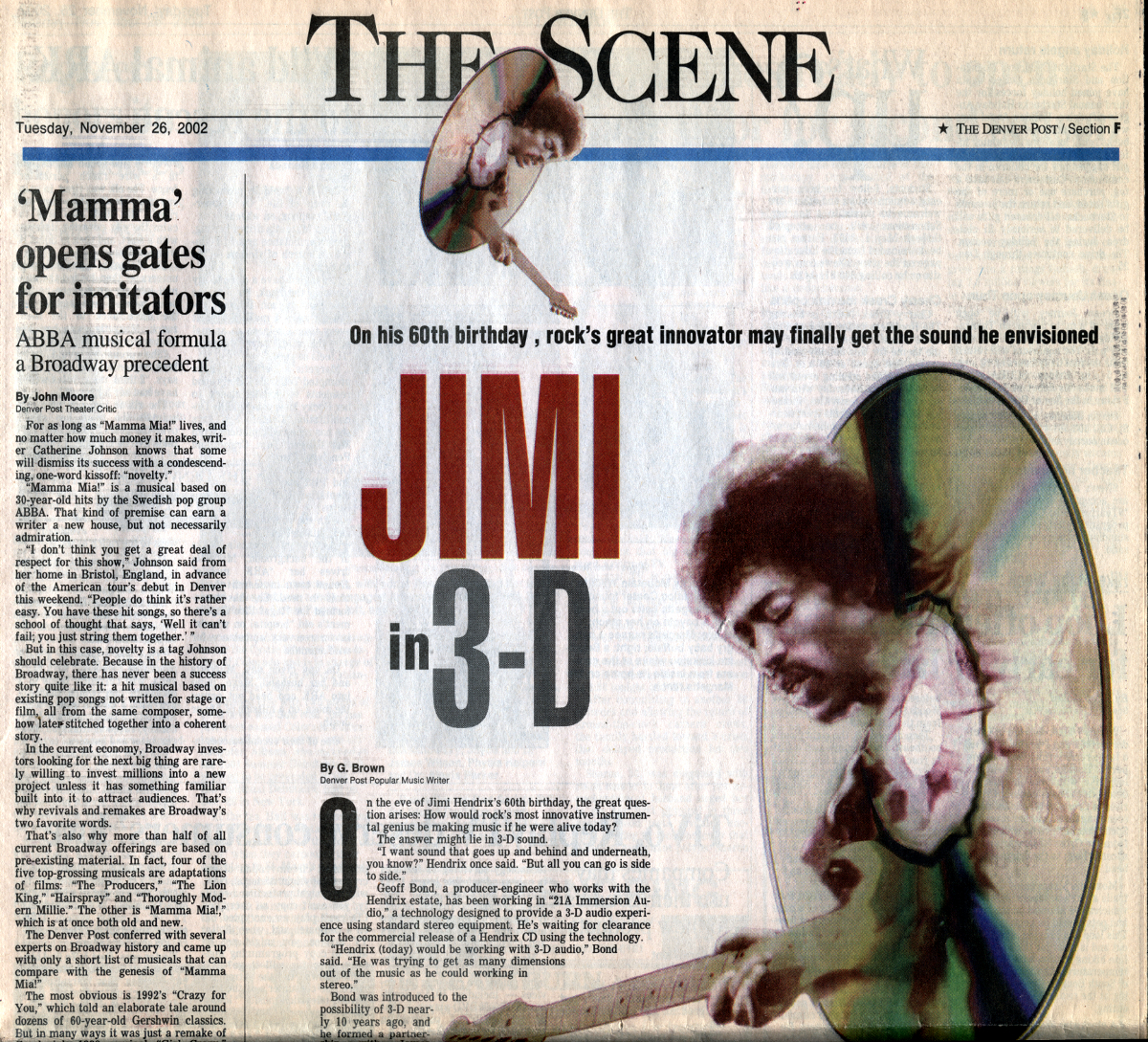
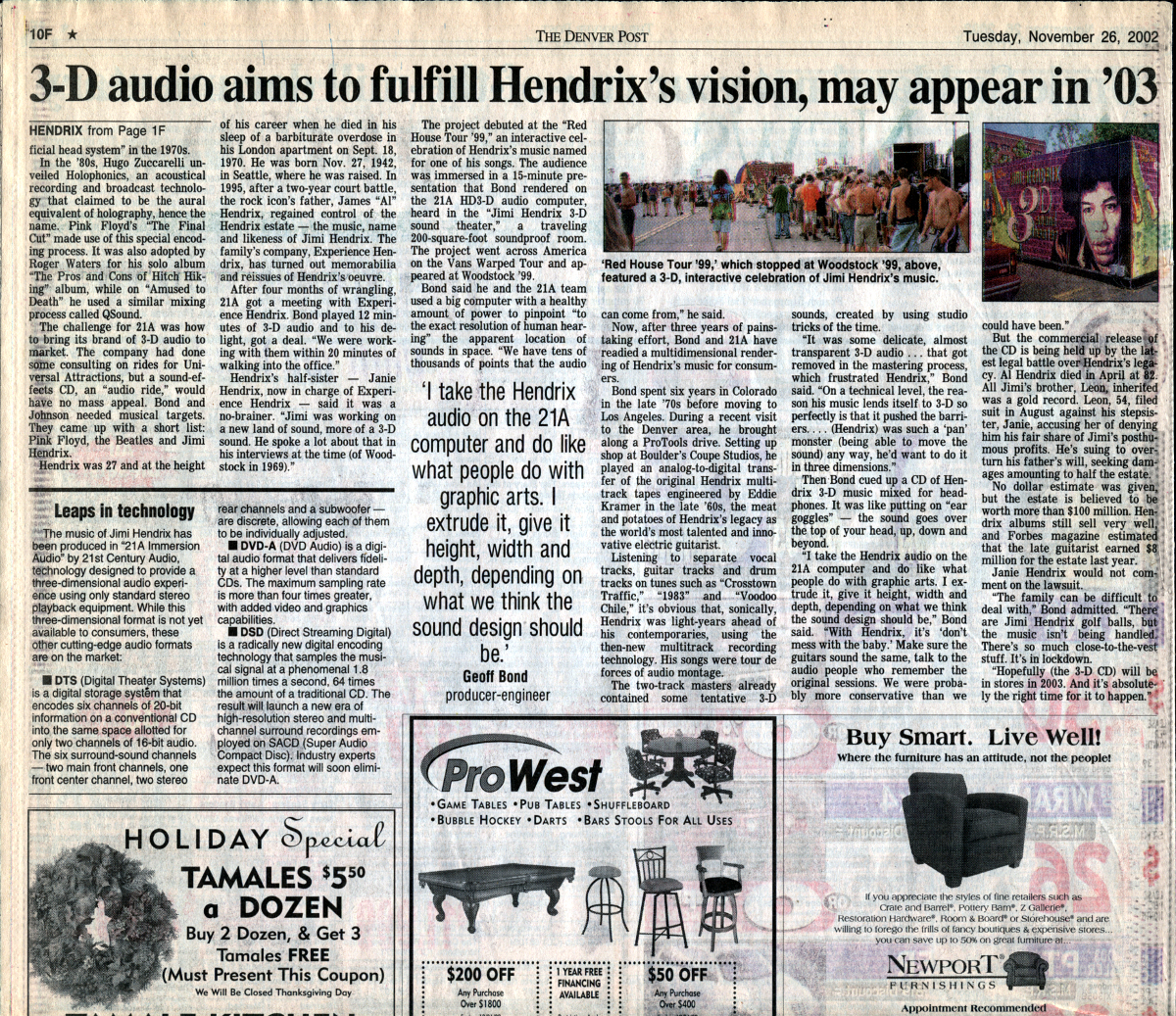
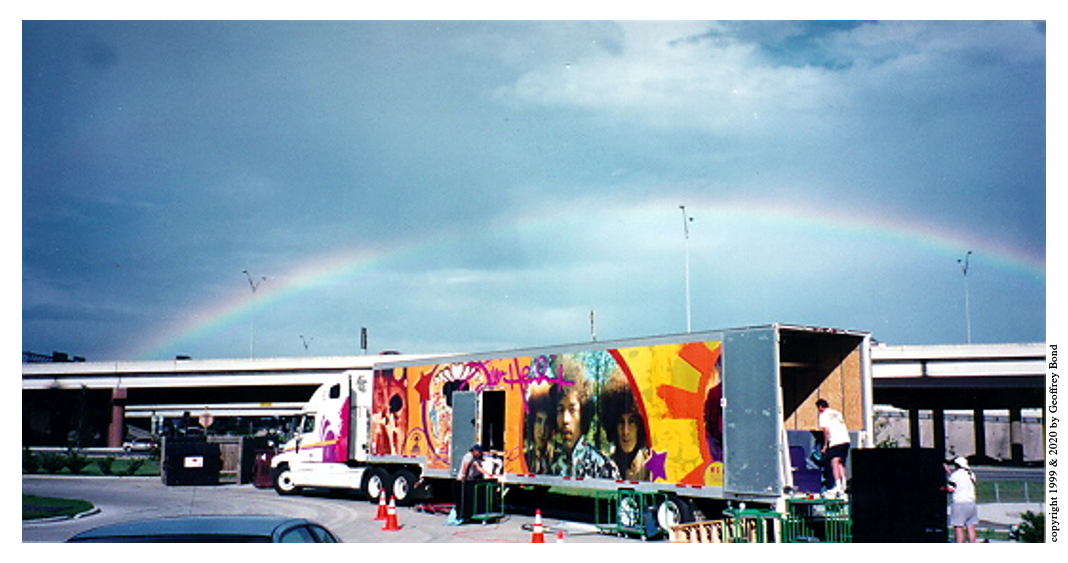
The Jimi Hendrix HD3D Sound Theater code-named “The Red House Project” has been shrouded in a haze of mystery for years. Having a nearly mythical status among deep Hendrix fans, real and unmodified HD3D copies are very rare or unobtainable. The Project was heard by thousands of amazed festival and tour attendees at Woodstock ‘99 and on Van’s Warped Tour ‘99, who experienced Hendrix in high definition 3D sound via a large portable (!) multi-person listening room. Originally produced for release on MCA , the Project was never issued despite contracts…
Here then is the (sur)real story, including MCA Music meltdowns, DTS panics, Woodstock firestorms, Warped Tour rebellions, Sudden Regime changes, “A Room Full Of Briefs”, 100 mph equipment runs, Jimi’s Dad, Analogue multitrack masters, Devices used and abused, Pioneering 3D sound techniques, Monster Cable car towing, the art of throwing speakers, Analogue vs Digital, Guild Secrets, Weird production tales and more from Geoffrey Bond, Jimi Hendrix 3D Sound Theater Producer, Writer, and Engineer.
So how did it all come about?
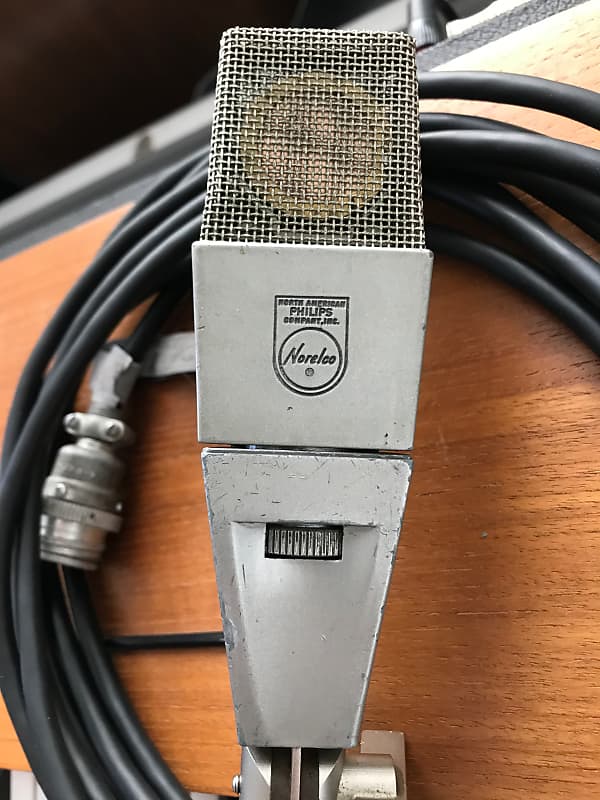
Do you want the short or long version? Long? Ok. It all started when I was 12 years old and got a Magnecord 1024 and 2 Norelco (AKG) mics for Christmas (laughs).
Your Dad was in show business…
Yeah he was a musical actor. He was Curly in the 1951 and 1954 Broadway runs of Oklahoma! My mom was a restoration Artist. My folks being creatives made it easier for me to develop my own style and ideas – even when I’d disassemble the Magnavox to see how it worked!
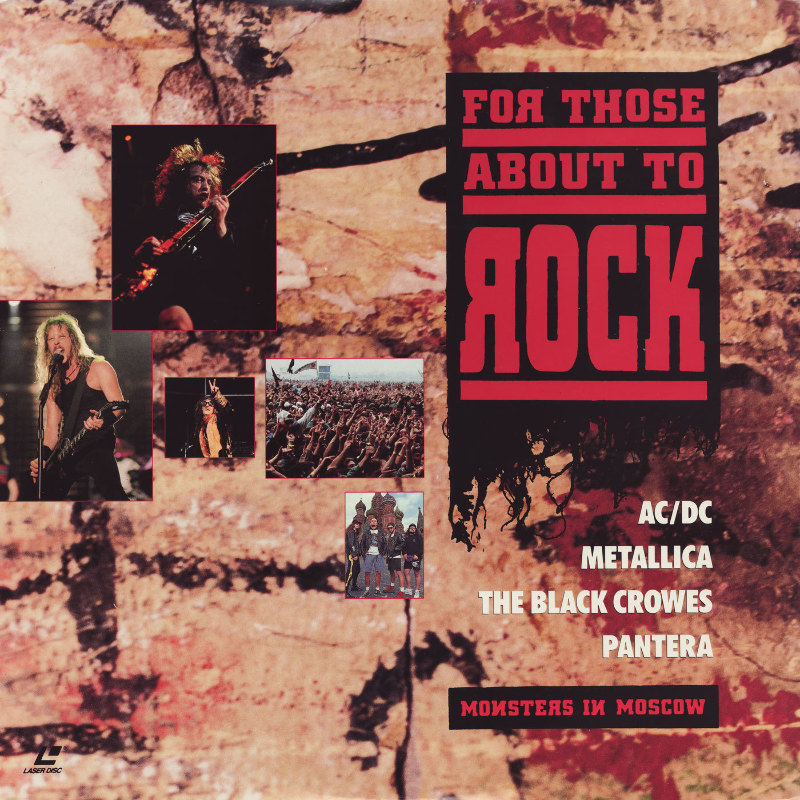
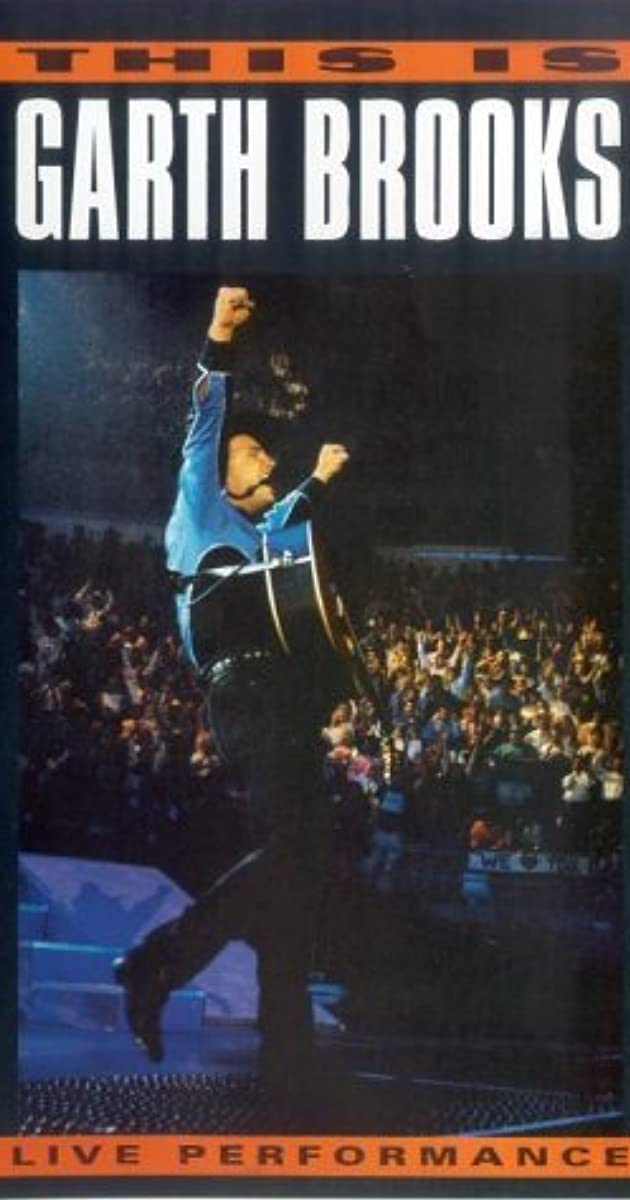
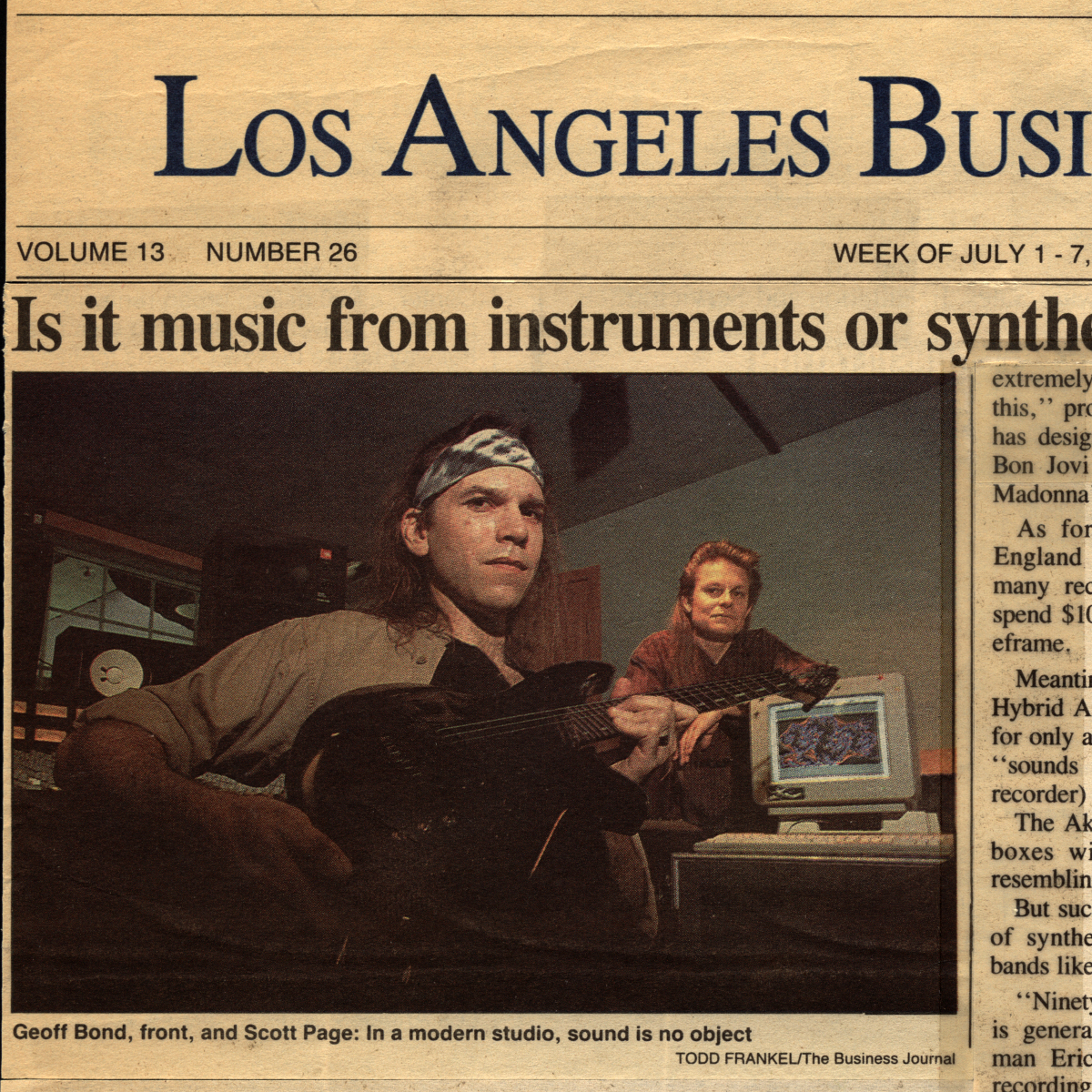
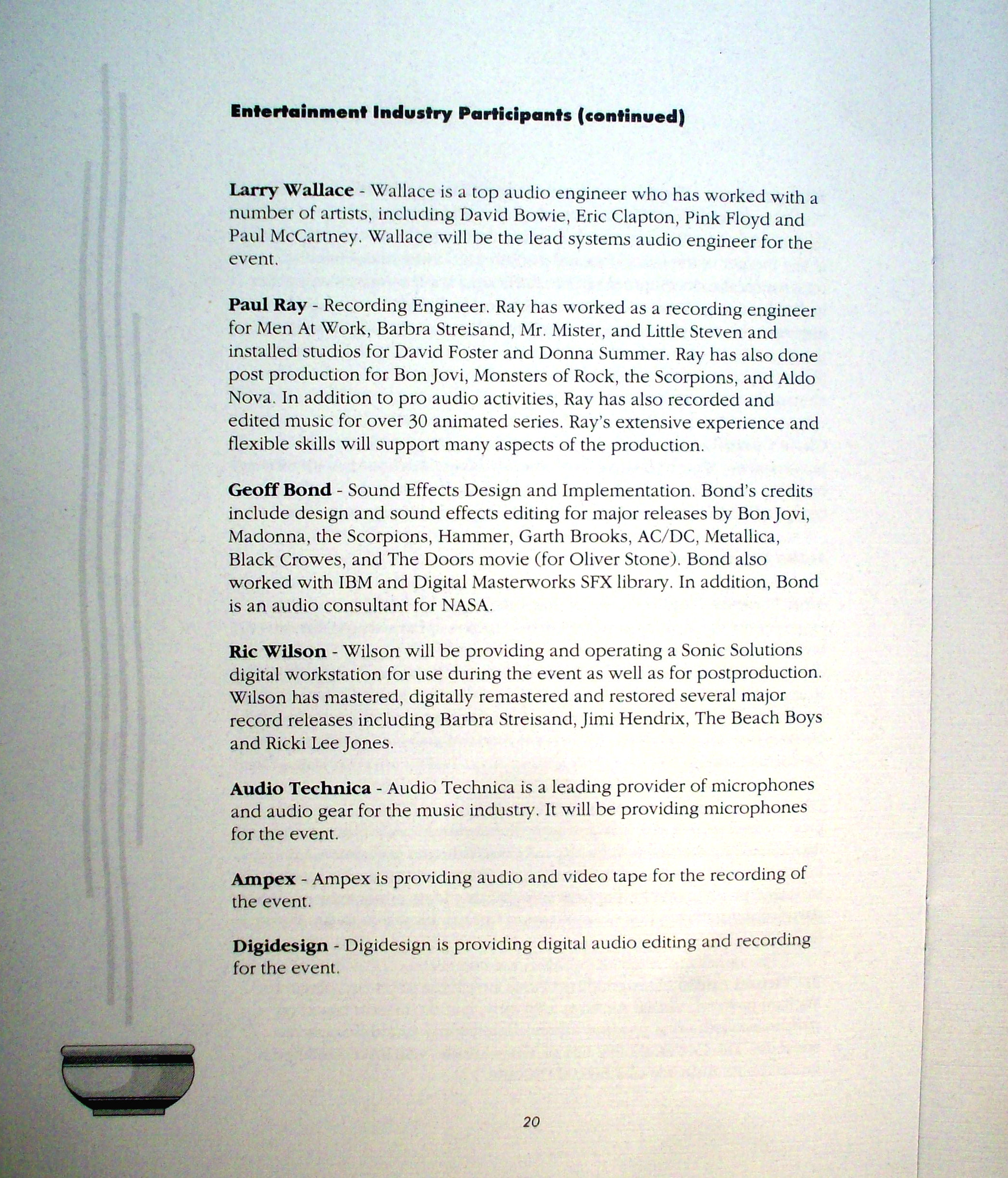
No, seriously, I was living in Los Angeles doing mixing, editing and even some mastering for various artists and doing consulting on audio quality for clients like NASA Teleproductions, no less (smiles). I was also working for Scott Page (Saxophonist with Pink Floyd and owner of Walt Tucker’s Arena in Glendale doing Post Production Audio engineering including music editing, dialogue editing and sound effect design and creation for major rock videos and music documentaries like Bon Jovi, Monsters Of Rock, This Is Garth Brooks. And just to make it interesting, I was performing live doing House concerts, local shows and events like NAMM for Zeta Music Inc. on the Zeta Midi Guitar. (Sings) “who needs sleep tell me what’s that for?”
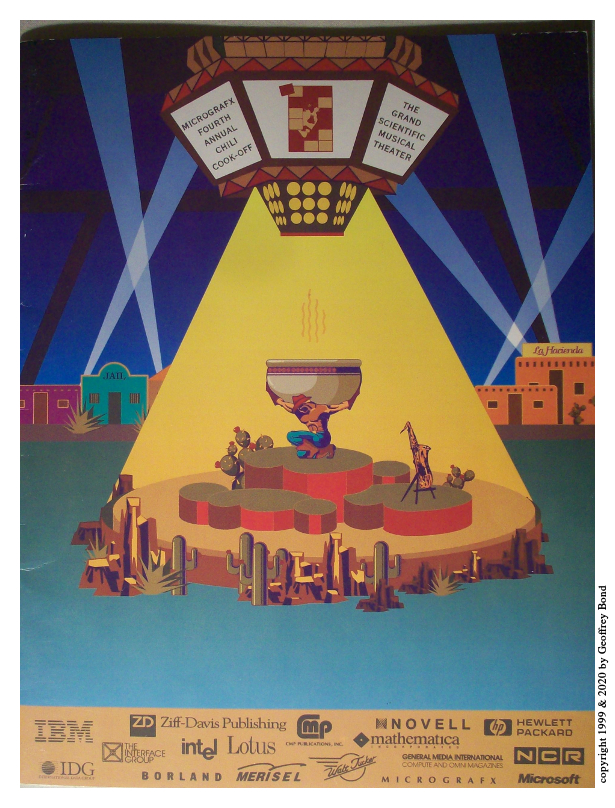
In 1992 Scott came up with an idea for a benefit he called “The Grand Scientific Musical Theater” and along with Bob Ezrin, the Producer of Pink Floyd and Ken Rose co-produced one giant pronunza of a live show in Las Vegas which “brought Silicon Valley and Hollywood together” big time as in huge production with over 460 participants and crew. It was insane! We had a 100 plus piece symphony orchestra with a zillion close mics, synchronized smells for Jon Anderson, Circe De Solais, projection screens, a virtual MC, midiballs, an incredible house band, etcetera. We ended up raising $750,000 for The Center For Missing And Exploited Children Barbara Streisand’s engineer John Arrias was Chief Engineer in the Design/FXtruck engineer. Incidently I have an interesting story he told me about her favorite mic that I will relate later.
Favorite mic?
Yes a U67.
I’m curious–
Ok briefly I was in her studio and commented about the nice vocal mic. which pushed a big button on John because some years before someone had dropped it! No visible damage but the capsule was whacked out. She was never told about it. Ariras had been trying to get her to use a different mic ever since to no avail. He just hated it – she loved it.
Ha the Boss knows best
Bill Porter who as you know engineered Elvis, the Everly Brothers and Chet Atkins to name a few, was the Chief Engineer in the Analogue remote truck – it was very cool to get to talk to him, by the way. Alan Parsons, whom I did some music editing for on his “Turn It Up-Make It Louder” MTV video was the Audio Producer. I was designated Sound Effects Designer for the live production and Sound Designer for the documentary video, but like everyone at Walt Tucker I was involved in many different aspects of the production and wore all sorts of hats from its inception. Anyway, one of the participants, Chris Currell who’s company Audio Cybernetics was there doing a quadrafrontal binaural audio presentation and had his DATs fail right before show time. I was nearby and overheard what had happened so I loaned him one of ours. He and I shared a common interest in 3D sound and after the show we hooked up. I ended up doing some engineering for him, [Babble (Thompson Twins), Warner Music, Densu Virtual Forest] and through him became acquainted with, wait for it ta-da, Head Acoustics GMBL equipment.
I’d been interested in stereo, binaural and 3D sound and devices since I first heard the famous phantom train tape recording panning across the stereo field in our family living room as a child. I also loved listening as a teen on my heavy Koss Pro 4’s to Hendrix of course – especially “1983 A Merman I Will Be” and to classical and avant garde Binaural recorded LP’s obtained from the local library. I started experimenting with spaced pairs and phase trying to get the most striking effect I could with stereo. I also liked and studied “Old and In The Way”, and later first experimented with transaural audio using “The Outer Ear” while working at Ardent Studios. I’ve used or owned Neuman, B&K and KEMAR binaural recording heads and quasi 3D equipment like Roland’s RSS-10, CRL’s processor, re-channelizers, Spatializers, hard, soft, commercial and proto. But Head Acoustics’ was by far the best of all the recording head and torso simulators I’d used or heard at that time, for reasons we can talk about later, and the BMC prototype that they made for us (21A) was unique. I could now finally realize my artistic audio visions and sound dreams.
How did you end up basing your operations in Tulsa?
The ‘94 Northridge Earthquake blew my wife and I completely out. I’d had enough of the L.A. grind anyway and decided to take an engineering job in N.Y.C. – no grind there! On the way we stopped in Tulsa to see my folks and hang out with some friends. We were staying at James Johnson’s house while we were there. I played him what I was doing and at some point we decided to go into biz together. We formed 21st Century Audio Systems “21A” promptly went to Germany, obtained Head andTorso Simulators, the very unstable 8 channel BMC prototype we named Brutus, and a bunch of other toys and top secret audio gear and then attacked! (laughs)
Didn’t you record the official 21A HD3D Demo at Electric Ladyland?
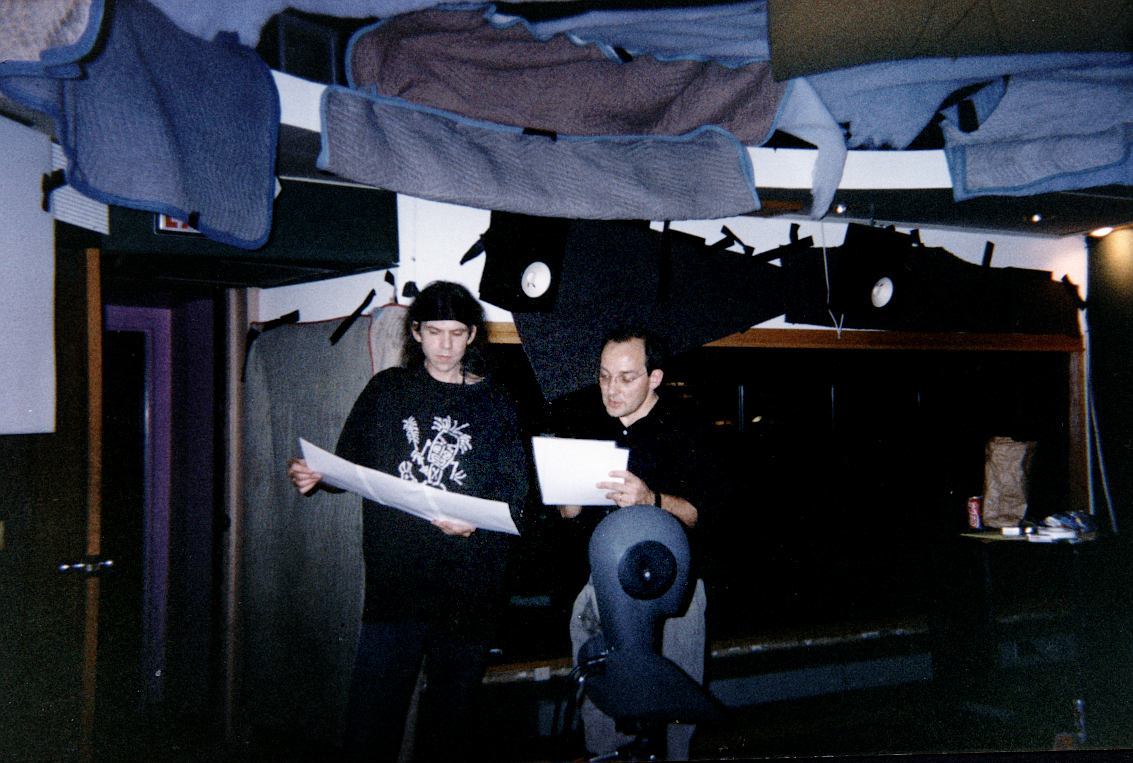
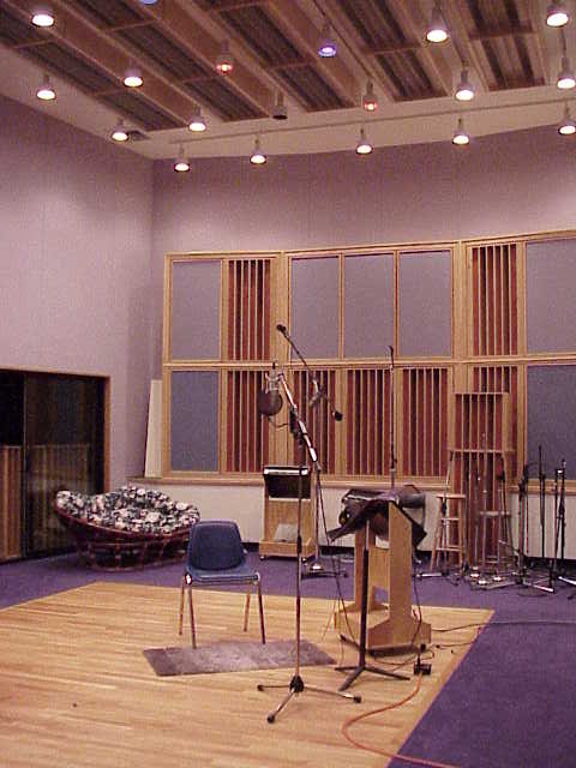
That’s right, upstairs in what used to be Jimi’s living space, now studio B, with actor Zach Grenier. (Devs, Twister,Fight Club) We had to throw sound deadening quilts and materials everywhere as there were parabolic recesses in the ceiling, hard reflections and mixed acoustic surfaces with very little diffusion. We could also hear New York City leaking in occasionally. It was cool to work there. However the big mural thats downstairs depicting Jimi as right handed needs to go!
You were umm – motivated.
Thats for sure. We were creating HD3D virtual experieces for a number of inner industry clients and consulting companies on virtual sound applications – from flight simulators at Flight Safety Inc. to theme park rides like Spider man Super Hero Island attraction for Universal. We even met with DARPA on the possibility of creating 3 dimensional sound cues and environments for troop training. You know you’re on a roll when the government is interested (laughs). We made a list of Artists we’d like to work with. We thought why not think big? Who would we really like to hear in 3D? We chose the Beatles, Hendrix, and Pink Floyd! We decided Hendrix music would be a perfect for HD3D for obvious reasons and I am a huge fan and I am a guitar player and I knew Steve Smith an excellent engineer and LA. refugee living in Seattle, who had friends that worked for Experience Hendrix, L.L.C.. He managed to get us an appointment with CEO Troy Wright, a process that took 4 months. We were also at that time doing tests for Amblin Entertainment, and working with Director, Jan DuBont, on the movie Twister.
When we finally met I was well prepared. I had found a powerful quote from Jimi on a bootleg recording were he says, “I want audio that goes up and across and down, not across and across like we have now”, and I had super-rendered it in to HD3D along with musical excerpts taken from the LP issue of 1983. After introductions we played him our demo. Twenty minutes into our meeting with Troy we had the gig!
What was the gig?
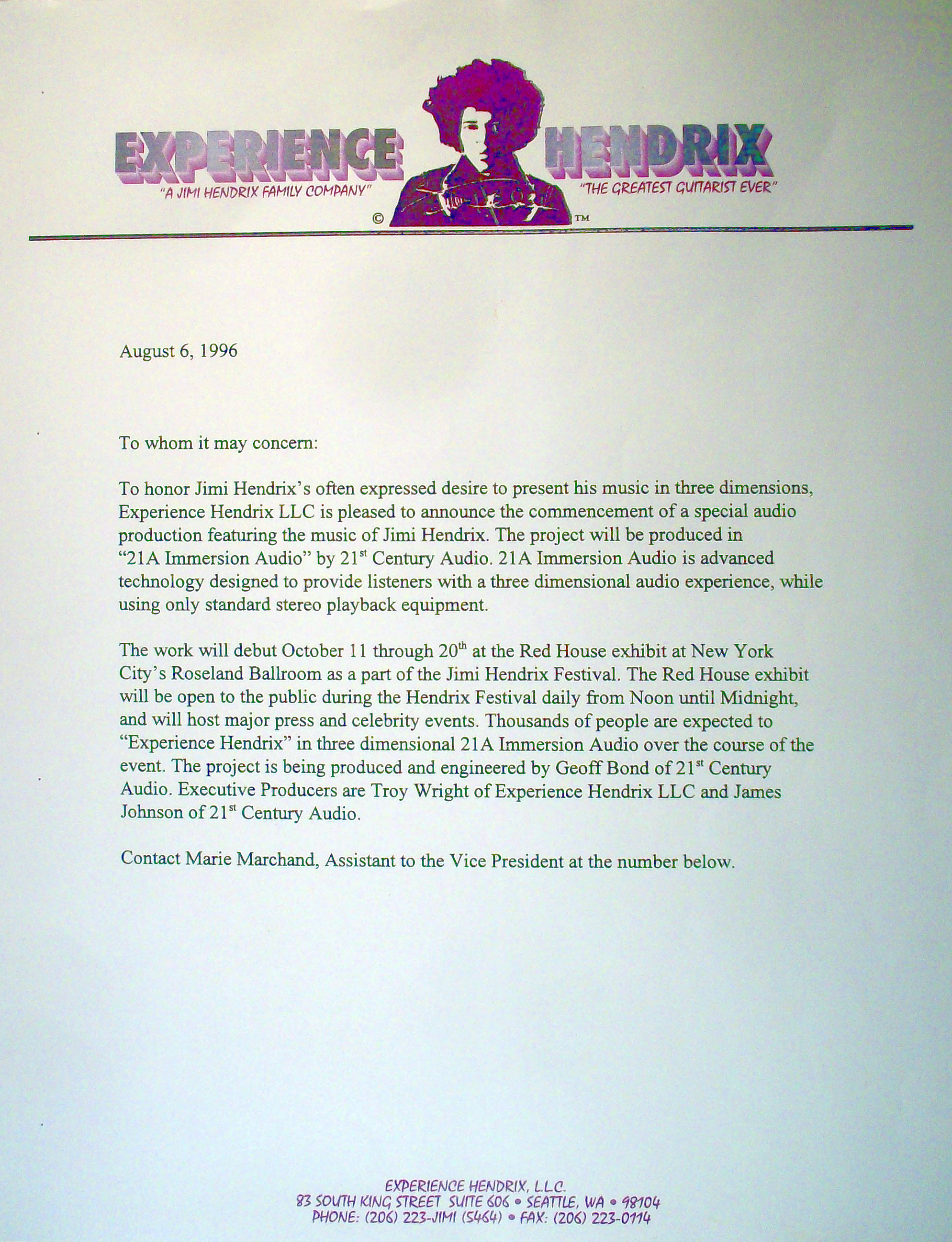
Intially we were going to do a presentation of Jimi’s music remixed and rendered into HD3D at a show named The Red House that was to take place during the Hendrix Festival at the Roseland Ballroon in New York City mid october of 96. A major CD release was to follow. The show was also going to feature celebrities like Prince and Carlos Santana. It was canceled I believe for lack of sufficient lead time. In ‘97 the scope of our gig was expanded to include more songs and a virtual audio experience.
You’re one of the few (only?) people that has gotten to do remixes from the original analogue multitrack masters-
Yeah. It was an incredible honor and responsibility to get to do so.
Responsibility?
Not to mess it up but still go over the top
So the work began…
We were beyond excited of course. After reviewing all Jimi’s major releases, we came up with a list of songs we thought would work well in HD3D and that we’d love to personally work on and traveled back to Seattle to meet again. As we began our meeting Troy related that “a lot of the multitrack masters were missing”, or that they were “in the possession of Alan Douglas and they were suing for their return”. We were like Ok… Unfortunately among other songs we had originally wanted to do, “Rainy Day Dream Away” (I have a story told to me by Mike Fiinigan about playing on “Rainy Day” I’ll talk about in the next installment), “Voodoo Child Slight Return”, “Purple Haze” and “Are You Experienced” which were all missing! “All Along The Watchtower” was vetoed due to it being written by Dylan – they wanted all of the royalty streams, and none of Band Of Gypsies was available as Capitol Records had the masters locked up. And to top it off other songs were vetoed due to drug references… I’m sure my jaw dropped in amazement.
Yes, Jimi was known for being anti-drug 😉
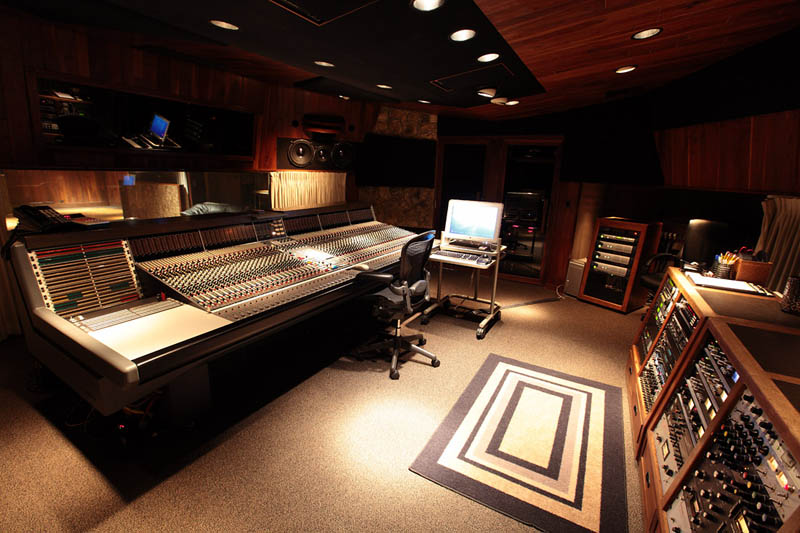
What happened next? We decided to work at Paradise Sound Recording in Index Washington. Its an awesome studio in a really beautiful setting that has everything you would want or need (including a super nice italian leather exhaustion couch in their production room) and its only about 40 miles from Seattle. To get us rolling, Eddie Kramer sent us a Dash 3324 copy of some multitrack masters. Heart’s Bad Animals studio in Seattle kindly loaned us one of their 3324s and the tapes had arrived so we were finally going to get to hear Jimi’s multitracks. There was only one problem – Paradise was booked! However, the owner Pat Sample managed to squeeze the 3324, locater and our computer gear into a vacant Vocal Booth so we could LISTEN.
Unfortunately we had to interrupt a session to get to the iso booth as it was adjacent to the Control Room. As we entered the Control Room I could hear an excellent sounding jazz fusion guitar solo being played by a well-known Artist whom I won’t name. We apologized and disappeared into the booth with our tapes. We loaded the machine, hit play and became entranced for hours as we listened to the solo’d tracks one by one. An amazing experience, no pun. The last thing we listened to before taking a break was “Somebody’s House is Burning”. Jimi’s lead guitar had so much tone and authority it was unbelievable. When we took a break and went back through the Control Room, I couldn’t help but notice that now the unnamed artist’s tone seemed thin, his playing lacking command…
You were unhappy with the 3324-
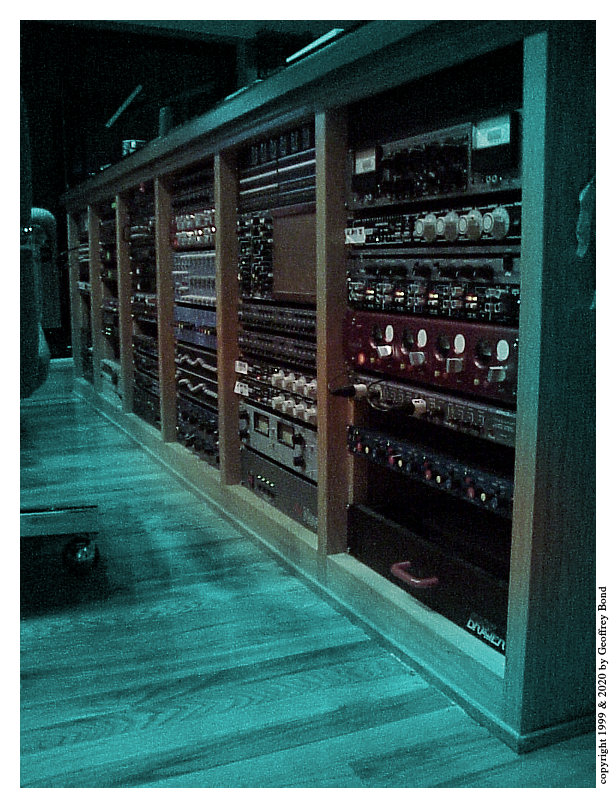
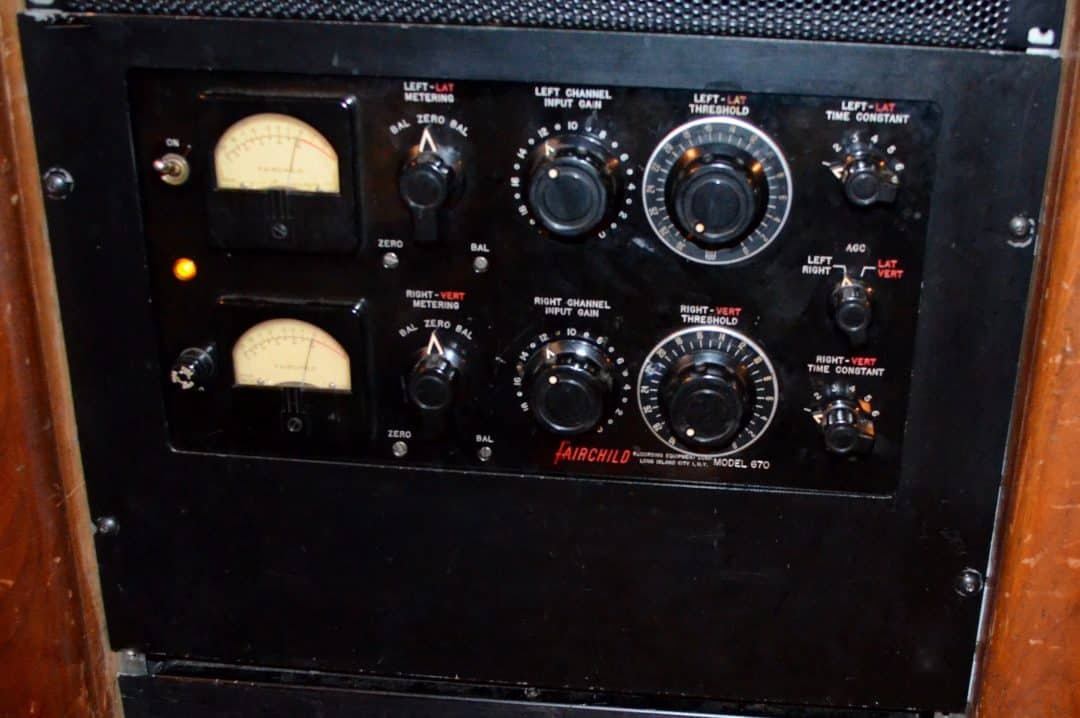
Unfortunately. We had block booked Paradise and I’d begun making extrusion tests and I’d also made some early renderings to help me get a better idea of what approach to take and the added equipment we would need to do it right. I was not happy at all with the digital artifacts I was hearing coming off the 3324. They were being unmasked by the HD3D processing, and the aliasing, jitter and modulation noise were lending a glassy, brittle edge and noticeable distortion to the sound. It also became clear that we would need lots of tube equipment and even a EMT 240 Gold Foil Plate Echo in order to match sounds as the digital copies were thin sounding, lacking depth and were shifted in timbre from the released versions.
What about the MCA meltdown?
About that time we got a call from Troy to bring our demo and meet him at MCA Music in LA.. Excellent! We got on the jet 2 days later with our demos and arrived top floor MCA, Hollywood. We were so excited – but the moment we entered the room we could tell something was very wrong. Sitting to my left was Albhy Galuten, producer of “Stayin Alive”, the Vice President of the label was to my right with various A and R executives scattered about …and then there was …Troy. As we took a seat Troy said something unintelligible. He was sitting well apart from the rest of us, beet red and totally angry or worse. While he was going on in a loud voice about how they (MCA) “steal and cheat”, I was trying to talk to Albhy and when I started to give him our demo CD , Troy started shouting, “don’t do it, don’t trust these people – they are thieves!” Really. But I mean omg! Albhy and I looked at each other and then we both tugged on the CD playing ‘my disc – no mine’ as Troy ranted on about how bad MCA was untill I took the CD back – totally freaked – saying I would send him one [CD]. Everyone but Troy looked at each other wide eyed. Needless to say the meeting broke up.
Wow!
We went back to Seattle for a scheduled follow up meeting with Troy a few weeks after the MCA meltdown and when we entered the office we could see everything was being changed – lighting, tables chairs, pictures, people.… We asked the guy who did the guitar charts what was going on and he said, “exactly what you think is going on”, and then shut up. About a half hour later we we ushered into Troy’s office and there sat none other than Janie Hendrix! Evidently the meltdown and some other unmentionable acts had brought Troy down. She was the new boss – he was demoted to running their gospel record division and I never saw him again.
This is when the project expanded and really started happening?
That’s right – Janie wanted to enlarge the scope of the project to include more songs and also a 3D Hendrix Virtual Audio Experience to be part of the release. Cool. We told her that the dash digital copies were inadequate – the sheer amount of errors spewing off the machine during playback were unacceptable and besides that – HD3D rendering already had a tendency to reveal shortcomings in source recording, performance material even with stereo processors like the first Finalizer. so we knew we needed to work from the original multitrack analogue masters only for it to be done right. Incredibly she agreed and would schedule a time at Westlake Recording Studios in LA to do the Transfers. The meeting adjourned, we exhaled, smiles all around and then we drove out to Paradise Sound Recording where I spent the next few days writing the storyboard. After another meeting, with further input and approval from Janie, I finished the working version for the virtual audio vignettes.
The storyboard was basically a set of dialogue cues with a map of matching Foley performance vectors and sound effects mapping. We used both real and simulated props to help create a virtual Jimi’s ‘living room’ as well as the other simulated locations. I would then pan the dialogue and sound effects in horizontal and vertical soundspace with the BMC to follow and match the live performed movements. I planned to and did source Jimi’s Dialogue from bootlegs, interviews, and the run out on the multitrack masters. I was hopeful the new transfers would also provide more dialog snippets. That was the plan and as J. Clarkson often asks – how hard could it be?
Tell us about the analogue transfers
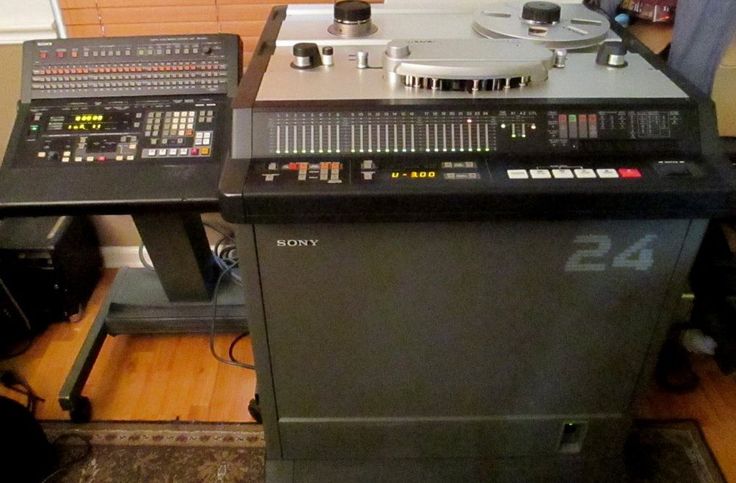
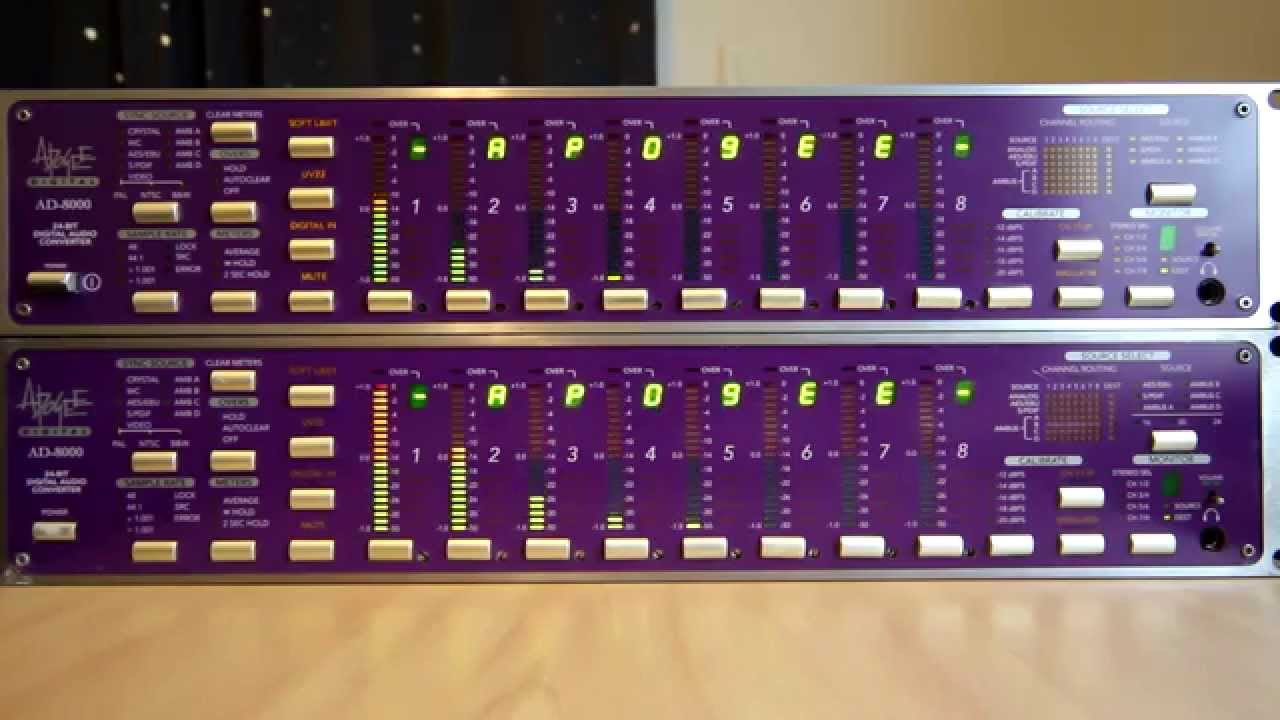
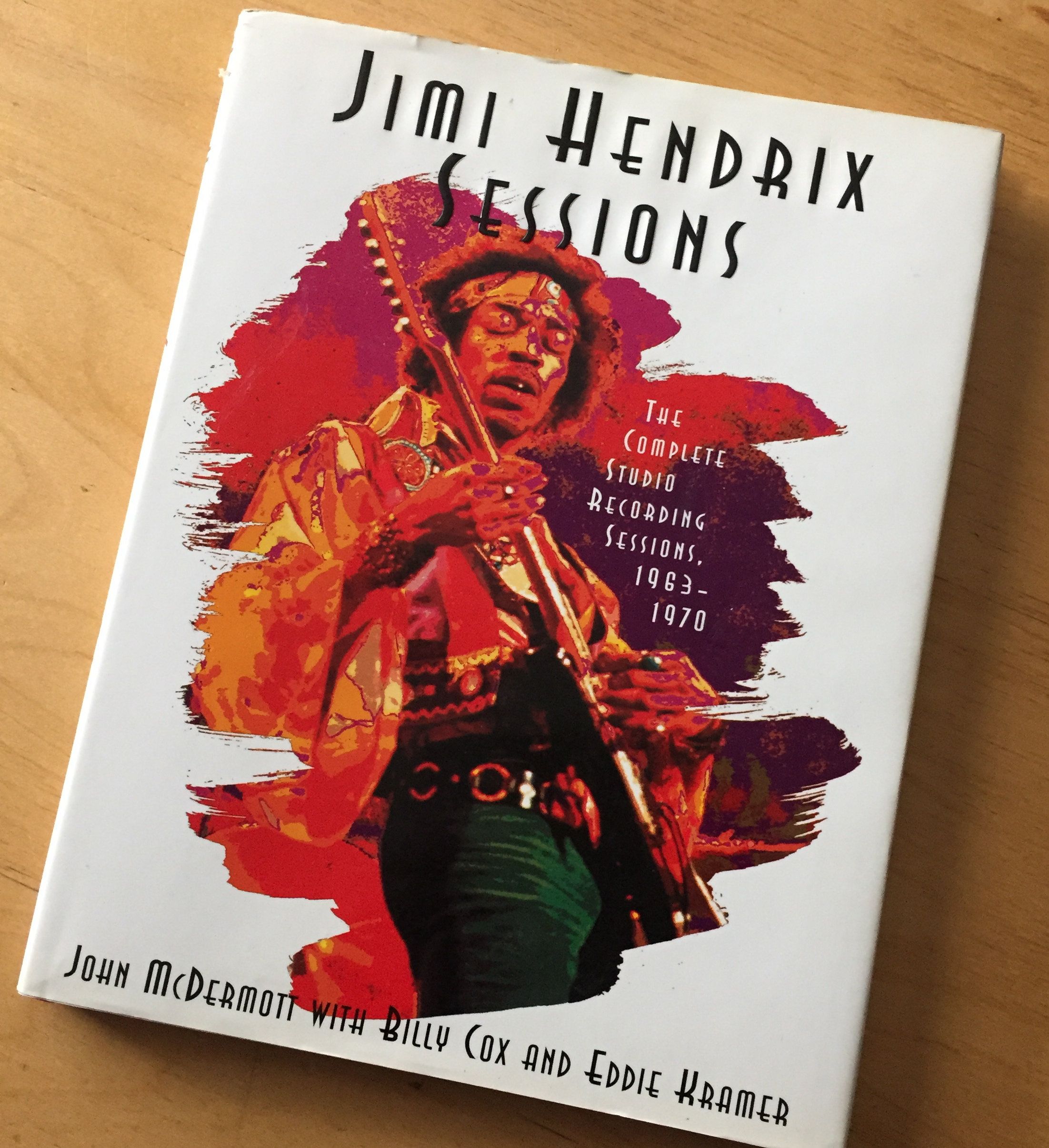
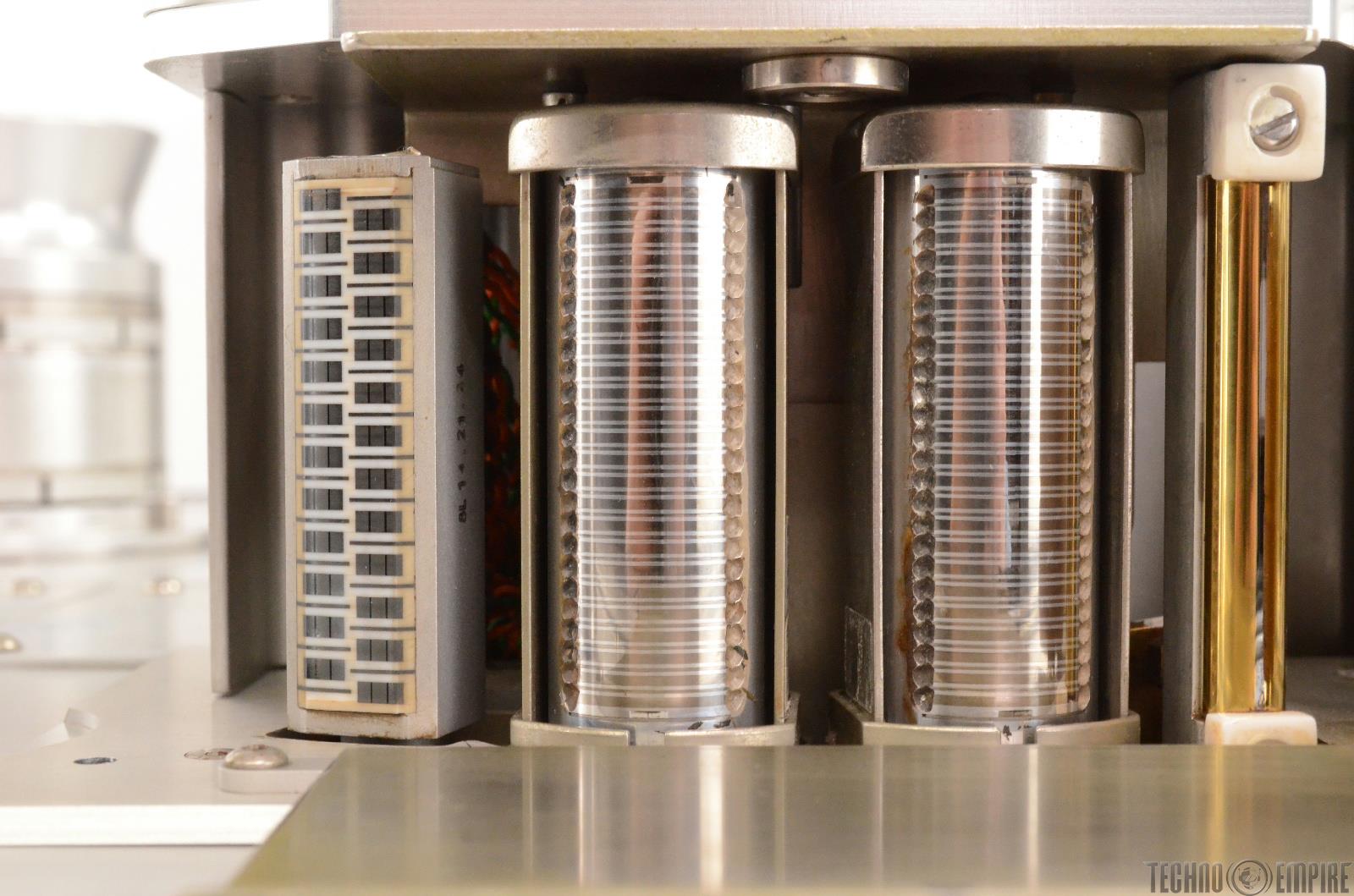
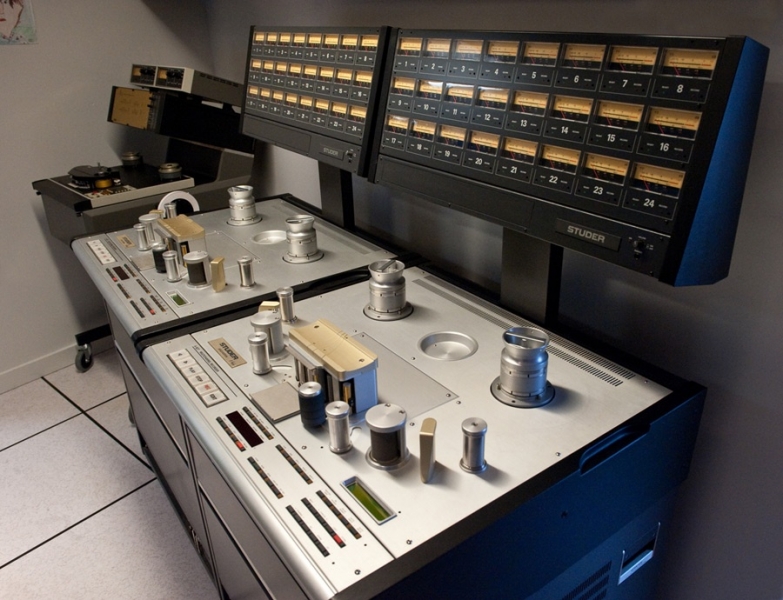
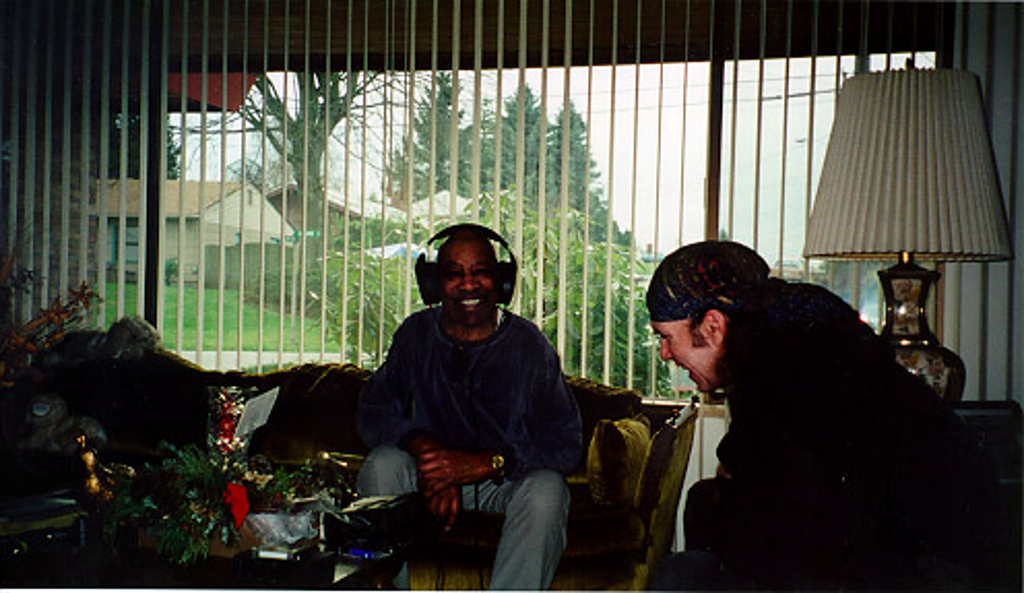
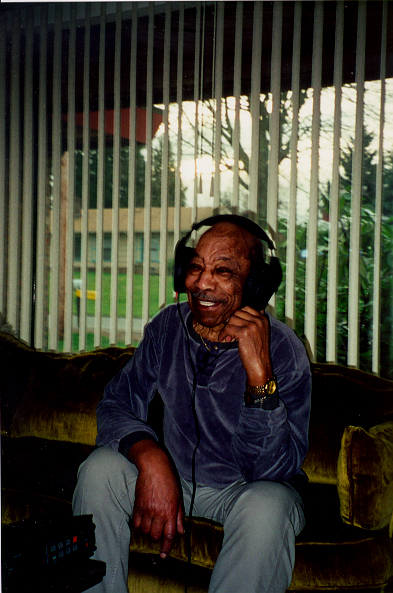
We flew to LA about a month later and drove to Westlake Recording. The atmosphere inside of the facility was electric. Everyone was excited to be working on Hendrix. Apogee had made, just for the our transfers, special ultra-high resolution A to D converters – the protos of the AD8000 series and the design engineer himself was there. We ran direct from the multitrack to the AD to Pro Tools. All the gear was set up and ready when Janie and Hendrix Archivist, author and record producer John McDermott arrived with the masters. We took some photos and then began the process. Because the masters were in several different widths and formats – ½” 4 track, 1” 8 track, 2” 12 track and 16 track, we had to change headstacks, rollers & guides and realign the Studer 827 to suit. We were lucky to find an individual in LA with all of the stacks and kits we needed and the tech was excellent.
The 2nd engineer on the session started to load the tape then stopped and spoke to me in a low confiding serious tone that the master tape we were going to transfer “was inside out” – the ‘shiny’ and ‘dull’ sides were reversed! I told him not to worry just thread the machine. Then he asked, “and where are the tones?” Yeah tones. Then John said, “ There are no tones on the Hendrix Multitrack Masters – use a standard 185 nanowebber alignment tape.” Really!? Now we all know how important alignment tones are for correct analogue tape reproduction and we had none. I was wtf for sure. So we listened intently to each track that was transferred with John approving of the tone and timbre to certify that they sounded correct. The tapes were actually in amazingly good condition with only the 2” exhibiting print thru and showing visible wear. Incidently the “Crosstown Traffic” Master Box was labeled Jimmy Hendricks.
Anyway – success! We managed to not damage the sacred artifacts and things were looking very blue skies…
Part 2 of Hendrix In HD3D – The Red House Project In The Next Issue Of Sound Art Magazine
Hendrix In HD3D The Red House Project Gallery



 SOUND ART M A G A Z I N E